
How NFTs Work: Ownership, Tokens, Wallets and Marketplaces
Learn how NFTs record digital ownership, how wallets and marketplaces handle trades, what minting costs, and what buyers should verify before paying.

NFTs work by linking a unique token on a blockchain to a digital item or other asset. The token’s record can show who controls it and how it moved between wallets, while the associated image, music, or document may be stored elsewhere. Creating or buying one means interacting with a wallet, a blockchain network, and often a marketplace.
An NFT is not automatically the copyright to the artwork, nor does the token always contain the artwork itself. Its value and practical use depend on the token’s contract, the linked content, and the rights its creator grants.
Before spending, check the network, the asset’s storage and licensing terms, the seller’s wallet history, and every fee shown at checkout. These details help distinguish what the token proves from what a buyer may assume it includes.
- An NFT is a blockchain token linked to an item, not necessarily the item’s copyright or file.
- Minting creates a token record, while transfers update the wallet recorded as its owner.
- Wallets sign transactions; marketplaces display listings and may handle parts of a sale.
- Check rights, storage, network, seller, and the complete fee total before paying.
What an NFT represents on a blockchain
Token Versus Digital Item
An NFT is a distinct blockchain token associated with an item, rather than the item itself in every case. A token may point to a digital illustration, a membership benefit, or a game object, while its blockchain record identifies the token and tracks its transfers.
That distinction matters because owning the token does not automatically grant copyright or exclusive control of the underlying file. A creator might allow personal display but retain commercial rights, so buyers should read the license or project terms instead of inferring rights from the token.
The token’s record is generally visible to anyone who checks the relevant blockchain, but the linked content may be hosted separately. If a buyer is estimating a foreign-currency listing in local spending currency, canlı döviz kurları can help translate the displayed amount before fees.
What Ownership Proves
A blockchain entry can prove that a particular wallet controls a token at a given point in the chain’s history. It does not, by itself, establish that the wallet owner created the linked work or has a legal claim to every use of it.
For example, a buyer may own a token connected to a profile image while other people can still view or copy the image. The buyer’s verifiable claim is to the token, while any rights to reproduce or sell the image depend on the license and applicable law.
Some NFTs also represent access, status, or an in-game item, but those benefits rely on a project continuing to recognize the token. Check whether the promised utility is written into enforceable terms or depends on a website, application, or operator that could change.
How NFT creation and ownership records work
Minting Creates a Token
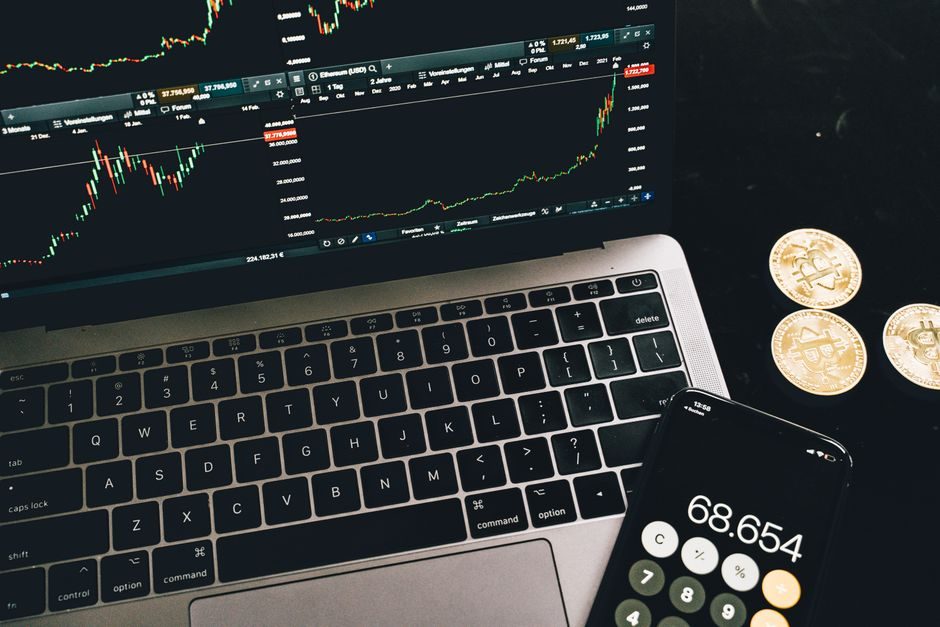
Minting is the process of creating an NFT record through a smart contract on a blockchain. A creator typically connects a wallet, chooses or deploys a contract, supplies details such as a name and content reference, then confirms a transaction that writes the token to the chain.
The content reference may point to a file stored on a decentralized network or a conventional server. If the file is hosted by a service that later removes it, the token may remain visible while the associated media becomes unavailable, so check how the project stores and maintains its content.
A creator setting a spending limit can compare the listing’s currency with an expected Turkish-lira budget using a dolar TL çevirici; the displayed conversion should be treated as an estimate, not the final checkout total.
Transfers Update the Record
When an NFT changes hands, a transaction updates the token’s owner in the blockchain record. The sending wallet signs the transaction, the network validates it, and the updated record becomes part of the chain’s transaction history once confirmed.
A marketplace may make this process feel like a simple purchase, but the underlying transfer still depends on a valid transaction and the correct network. A transaction sent to an incompatible address or through the wrong chain may be difficult or impossible to reverse.
The token’s history can help buyers inspect prior transfers and confirm which wallet currently holds it. However, a wallet address is not necessarily a verified identity, and a familiar-looking collection name does not prove that a token came from the legitimate creator.
How wallets and marketplaces handle NFT transactions
Wallets Sign and Store
A crypto wallet manages the keys used to control tokens and approve blockchain transactions; it does not usually hold the NFT’s media file itself. A wallet interface reads token records from a network and lets its owner sign actions such as listing, transferring, or purchasing an NFT.
- Connect the intended wallet.
- Confirm the correct blockchain network.
- Review the item and full checkout total.
- Sign only the transaction you understand.
A self-custody wallet gives its owner control of the recovery phrase and signing keys, which also makes that owner responsible for keeping them safe. A hosted account may simplify access, but the provider controls important parts of custody and may set withdrawal or account-access rules.
Never share a recovery phrase or approve an unfamiliar transaction just to view an NFT. Before signing, check which wallet is connected, what permissions the prompt requests, and whether the transaction is on the network where the token and funds are held.
| Choice | Who controls assets | What to check |
|---|---|---|
| Self-custody wallet | Buyer controls signing keys | Recovery phrase security |
| Hosted wallet account | Service holds custody | Withdrawal and access terms |
| Marketplace contract sale | Smart contract handles transfer | Contract and checkout details |
| Custodial marketplace sale | Platform manages transaction | Platform procedures and fees |
Marketplace Roles and Choices
An NFT marketplace displays listings and helps buyers and sellers coordinate, but the exact transaction flow varies by platform. Some listings use smart contracts to handle payment and transfer together, while other services may manage parts of the process through custodial accounts.
A marketplace’s collection page can help identify a project, but it is not proof that every listing is authentic. Compare the contract address and creator information with the project’s established channels, and check whether the marketplace indicates that the seller owns the item being offered.
The table compares common ways of handling a purchase; availability and protections vary by platform. A self-custody route gives the buyer direct wallet control, while a custodial route places more responsibility with the service, so review withdrawal terms and dispute procedures before choosing.
The cost of creating or buying an NFT can include a blockchain transaction fee, a marketplace charge, and the token’s listed price.
What it can cost to create or buy an NFT
Network and Marketplace Fees
The cost of creating or buying an NFT can include a blockchain transaction fee, a marketplace charge, and the token’s listed price. Network fees vary with chain conditions and transaction complexity, so the amount shown when a transaction is initiated is more useful than an old estimate.
Some platforms allow a creator to list an item without paying the full network cost upfront, then charge or record fees when a sale occurs. This changes when costs are incurred, not necessarily who ultimately pays them, so examine the platform’s explanation before choosing a listing method.
A buyer should review the checkout screen for network, service, and payment charges before approving. If payment requires converting between assets, account for the conversion rate and any spread as well as the displayed NFT price.
Costs Beyond the Listing
The price on an NFT listing is not always the buyer’s complete cost. A transaction can add network and marketplace charges, and a payment made through an exchange or converted from another token may involve additional spreads or withdrawal fees.
Creators should also consider the cost of preparing and storing the associated media, deploying or using a contract, and promoting the listing. These expenses differ by project and service, and a low upfront minting charge does not guarantee that a later sale will cover them.
Before committing funds, compare the amount the marketplace requests with the balance that will remain in the wallet afterward. Keep enough of the network’s required token for the transaction, and avoid approving a payment if the fee breakdown or destination is unclear.
Choosing between NFT marketplaces and blockchains
Compare Network Compatibility
Choose a marketplace that supports the blockchain where the NFT exists and a wallet you can use safely. An NFT on one network may not appear in a marketplace built for another, even when both platforms display similar collections. Before connecting a wallet, check the network name and confirm that the token’s contract address matches the project’s official information.
A network’s transaction speed, fees, and user activity can affect how practical it is to buy or sell an NFT. Lower fees may help when making smaller trades, while a busier marketplace may offer more potential buyers for a particular collection. Neither factor guarantees a sale, so compare the actual collection activity rather than relying on a platform’s headline claims.
Marketplace features also differ: some support auctions, while others mainly offer fixed-price listings or creator-set royalties. Read the terms for each listing type, including what happens if a sale is canceled or a bid is accepted. For readers estimating sale proceeds in Turkish lira, dolar kaç TL can help translate an expected dollar amount into a local-currency figure.
Review Marketplace Conditions
Check how the marketplace verifies collections before treating a badge or prominent listing as proof of authenticity. Search for the creator’s official channels and compare the collection’s contract address; copied artwork can appear under a convincing name. A marketplace’s verification process can reduce confusion, but it does not replace your own checks of the specific token and seller.
Read the platform’s rules for fees, royalties, disputes, and account restrictions before committing funds. The displayed price may not include all charges, and royalty handling can vary by marketplace and transaction. Also consider whether the platform lets you withdraw the NFT to a wallet you control, since a listing platform and the blockchain record are not the same thing.
Compare the buyer experience using the same NFT or collection across platforms where possible. Check whether each listing is current, whether the seller controls the token, and whether the marketplace shows the same contract and token identifier. A price difference can reflect timing, fees, or a different token, so verify the details rather than assuming the offers are interchangeable.
How to assess an NFT purchase budget
Set a Full Spending Limit
Set your maximum total spend before browsing, and include the purchase price, network fees, and any marketplace charges. A listed price is only one part of the amount needed to complete a transaction. Leave room for the wallet’s fee estimate to change, since network conditions may shift between reviewing an NFT and confirming the purchase.
- Mistake: budgeting only for the listing price; better approach: include fees and possible follow-up transactions.
- Mistake: treating an asking price as proven resale value; better approach: look for completed sales and buyer activity.
- Mistake: spending funds needed elsewhere; better approach: set a firm limit using discretionary funds only.
Decide in advance how much of your available crypto you are willing to risk on an NFT that may be difficult to resell. A token can have a visible asking price without having recent buyers at that level. Avoid borrowing or using funds needed for essential expenses, and do not treat a past sale as a promise of future demand.
Keep payment funds separate from money reserved for transaction fees, especially if the purchase requires more than one on-chain action. Some wallets ask you to approve a contract before buying, which may create an additional transaction. Review each wallet prompt and its fee before confirming, rather than assuming the initial listing price covers every step.
Judge Liquidity and Resale
Assess whether there is evidence of buyers before assuming you could sell quickly. Look at completed sales, how recently they happened, and whether they involved the same token or comparable items in the collection. A high floor price, meaning the lowest current listing, is not itself proof that someone will pay that amount.
Consider how concentrated ownership is and whether a few wallets control many listed tokens. A collection with numerous listings but little completed trading may be harder to exit than its activity suggests. Check whether recent trades were ordinary purchases or transfers between related wallets, and treat unclear activity as uncertainty rather than evidence of strong demand.
Plan for the possibility that a resale takes longer or requires a lower price than expected. Estimate proceeds after marketplace charges and any applicable creator royalties, then compare that figure with what you would be comfortable losing. If the NFT’s appeal depends on future access or community benefits, confirm those terms independently and assess whether they matter to you.
What to check before selling or transferring an NFT
Verify the Destination
Before transferring an NFT, confirm the recipient’s wallet address and the blockchain network through a trusted channel. A small copying error can send the token to an unintended address, and a transfer may be difficult or impossible to reverse. If the recipient provides a new address, verify it separately rather than relying on a message that could have been altered.
- Match the destination address and network before confirming a transfer.
- Check the token identifier and contract, not just its artwork or title.
- Review every approval prompt and cancel requests you cannot explain.
Check whether the destination wallet supports the token’s network and can display or manage the NFT. Some wallets may hold a token on-chain without showing it clearly in the interface, which can cause unnecessary alarm after a transfer. Confirm the token identifier and contract address before sending, then review the final transaction details shown by your wallet.
Treat signature and approval prompts as separate from a simple transfer. A marketplace or contract may request permission to move a token, and broad approvals can authorize actions beyond the sale you intend. Read the wallet’s description of what you are approving; if the request is unclear or unexpected, cancel and verify the marketplace and contract before proceeding.
Prepare a Clear Listing
When listing an NFT, make sure the item, token identifier, and asking price shown in the confirmation screen are the ones you intend to offer. Compare the listing currency and the amount carefully, since a mistaken digit or unit can produce a substantially different price. Check the expiration and cancellation conditions before signing the listing transaction.
Describe what the buyer receives without implying rights the token does not grant. Owning an NFT does not automatically transfer copyright, commercial permission, or ownership of an underlying image. If a creator’s terms grant particular usage rights, locate those terms and make sure the listing description accurately reflects them rather than relying on assumptions.
After listing or transferring, use the blockchain explorer or wallet activity to confirm the transaction reached the expected status. A pending transaction is not the same as a completed one, and a marketplace page may take time to update. Keep the transaction record for your own accounting, and do not share seed phrases or private keys with anyone claiming to help.
Practical habits for using NFTs more safely
Protect Wallet Access
Store your recovery phrase offline and never enter it into a website or send it to someone offering support. Anyone who obtains the phrase can potentially control the assets in that wallet, even if the message appears to come from a marketplace. Use a separate wallet for experimenting with unfamiliar sites, and keep valuable holdings away from routine connections.
- ☐ Keep the recovery phrase offline and private.
- ☐ Verify the marketplace address before connecting a wallet.
- ☐ Use a separate wallet for unfamiliar applications.
- ☐ Read transaction details on the signing device before approval.
Check website addresses carefully before connecting a wallet, especially when arriving through social posts, direct messages, or search results. Scammers often imitate collection pages and marketplace interfaces to capture credentials or trick users into signing harmful transactions. Bookmark official sites you have verified, and confirm announcements through a project’s established channels before acting on urgent claims.
Use wallet security features that fit your holdings, such as a hardware wallet for assets you do not need to move often. A hardware device can keep signing keys away from a connected computer, but it cannot make a misleading transaction safe. Read the information on the device itself and reject signatures whose purpose or destination you do not understand.
Keep Records and Recheck
Save transaction hashes, purchase records, and relevant terms so you can verify what happened later. A hash lets you locate a transaction on a blockchain explorer, while a screenshot alone may not establish ownership or prove that a transfer completed. Keep records in a secure place and avoid exposing wallet details when sharing them for troubleshooting.
Recheck the NFT’s image and metadata availability after buying, because the token and the content it points to may be stored differently. Some tokens refer to files hosted outside the blockchain, and those files can become unavailable if the hosting arrangement changes. Confirm what the project says about storage and understand that a token’s continued existence does not guarantee every linked file will remain accessible.
Review wallet approvals occasionally and revoke permissions you no longer need when the wallet or network provides a safe way to do so. Revocation can require a transaction and does not undo actions already completed, so inspect the contract and fee before proceeding. If something looks suspicious, stop interacting, use verified support channels, and never disclose recovery credentials.
Frequently asked questions
Can an NFT disappear from my wallet?The token can remain recorded on its blockchain even if a wallet stops displaying it or the linked media becomes unavailable. Wallet interfaces may fail to index a token, while images and other files can be stored separately from the token record. Check the token’s contract and identifier with a blockchain explorer, and review the project’s information about where its media is hosted.
Does buying an NFT give me copyright?Usually, buying the token does not automatically transfer copyright or broad rights to reproduce or sell the associated artwork. The creator’s license or sale terms determine what uses are allowed, and those terms can differ between projects. Read the specific rights before buying, especially if you plan to use the image commercially, modify it, or distribute copies.
Why can the same NFT show different prices?Marketplace listings can differ because sellers choose their own asking prices, list in different currencies, or include different fees and sale conditions. A listing may also be outdated or may refer to another token with similar artwork. Compare the contract address and token identifier, then check completed sales; current offers alone do not establish what buyers are paying.
Can I move an NFT between wallets?Often, yes, if the receiving wallet supports the NFT’s blockchain and the token can be transferred under its contract rules. Verify the destination address and network before confirming, because a mistaken transfer may not be reversible. Review the wallet’s fee and transaction details, and remember that sending an NFT does not necessarily transfer copyright or other rights to its media.
Make Each NFT Decision Deliberate
NFTs combine a blockchain record with a wallet, marketplace, and often a separate piece of digital media. A practical decision depends on checking those pieces individually: confirm the network and contract, understand the sale terms, judge demand using completed trades, and budget for the full transaction. The token may prove control of a blockchain entry, but it does not guarantee resale value, permanent media access, or copyright.
Before your next purchase or transfer, write down the maximum amount you can risk, verify the official collection details, and read every wallet prompt before signing. If any part of the transaction is unclear, pause and confirm it through a trusted source rather than responding to urgency. That simple process helps distinguish a considered NFT transaction from one driven by a misleading listing or unsafe request.
Add Cryptos News as a preferred source on Google


